
NPDN Readiness and Education for Diagnosticians Initiative (REDI)
By Tania Brenes-Arguedas (National Program Coordinator), Allina Bennett (Professional Development Coordinator), and Jan Byrne (NCPDN Director)
The Communicator: Volume 7, Issue 4, May 2026
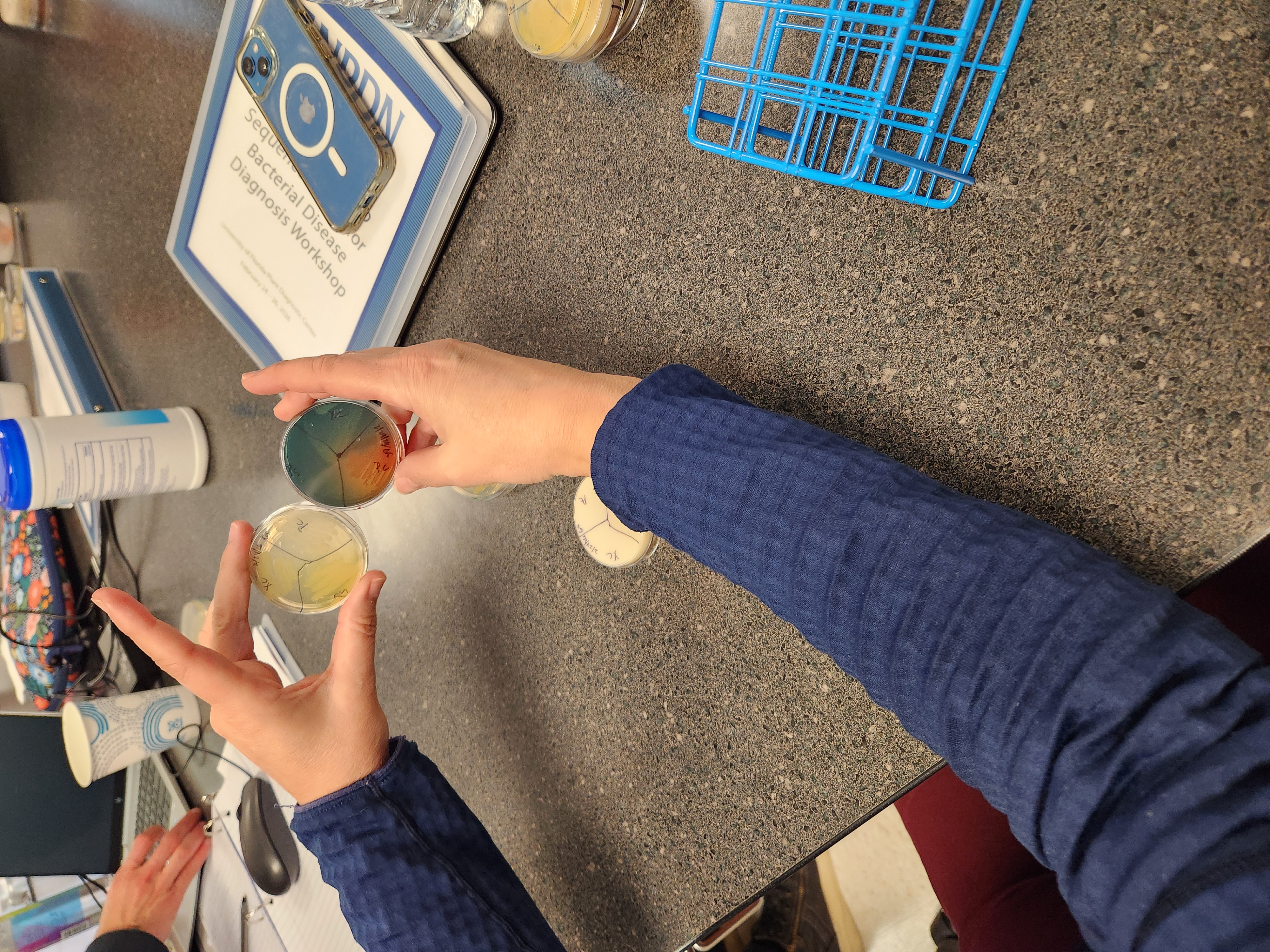 The NPDN REDI (Readiness in Education and Diagnostic Initiative) was made possible by APHIS project One Health- Protecting and Enhancing One Health by Increased Capacity and Resilience of Plant Pest Diagnostic Capabilities (AP23PPQS&T00C006). The goal of the REDI project is to increase the capacity and capability of NPDN diagnostic labs through an investment in equipment purchases and training, with a focus on increasing molecular detection capabilities of plant diagnostic labs.
Starting in 2024, the REDI project equipped eight specific labs with high-throughput capacity, enabling them to provide surge support in the event of a plant pathogen outbreak. These eight labs already had expertise in molecular diagnostics and some capacity for high-throughput testing. The NPDN REDI designated labs are in: Cornell University, Michigan State University, Oklahoma State University, Purdue University, Texas A&M University, and the Universities of Florida, Maine, and Idaho. These labs committed to a state of readiness to provide surge and referral support from APHIS PPQ and from other labs in NPDN. They also commit to act as leaders in diagnostic information, science and method development to support their region.
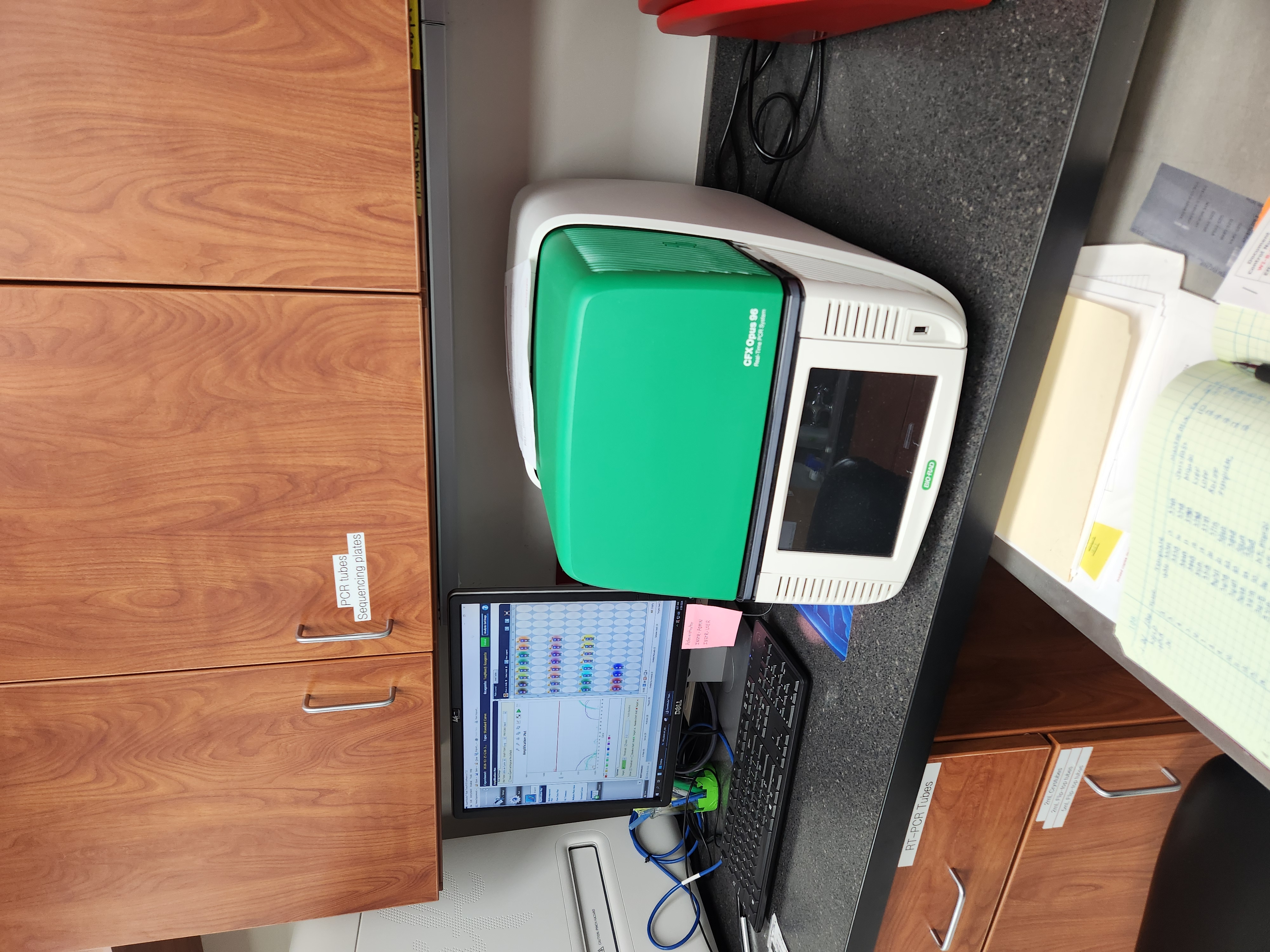
In addition to outfitting the eight REDI labs, the NPDN REDI program extended the opportunity of building molecular diagnostic capacity in plant disease diagnostics to laboratories throughout the US. Through an application process made available to NPDN diagnostic labs at land grant universities, equipment was purchased for additional labs in the network. Equipment provided was tailored to the applicant lab; items purchased included pipettes, freezers, plate washer and readers, and thermocyclers. The REDI program released equipment grant RFAs through 2025. To date, over $700,000 dollars have been allocated to equipment purchases outfitting 22 additional non-REDI labs in the network.
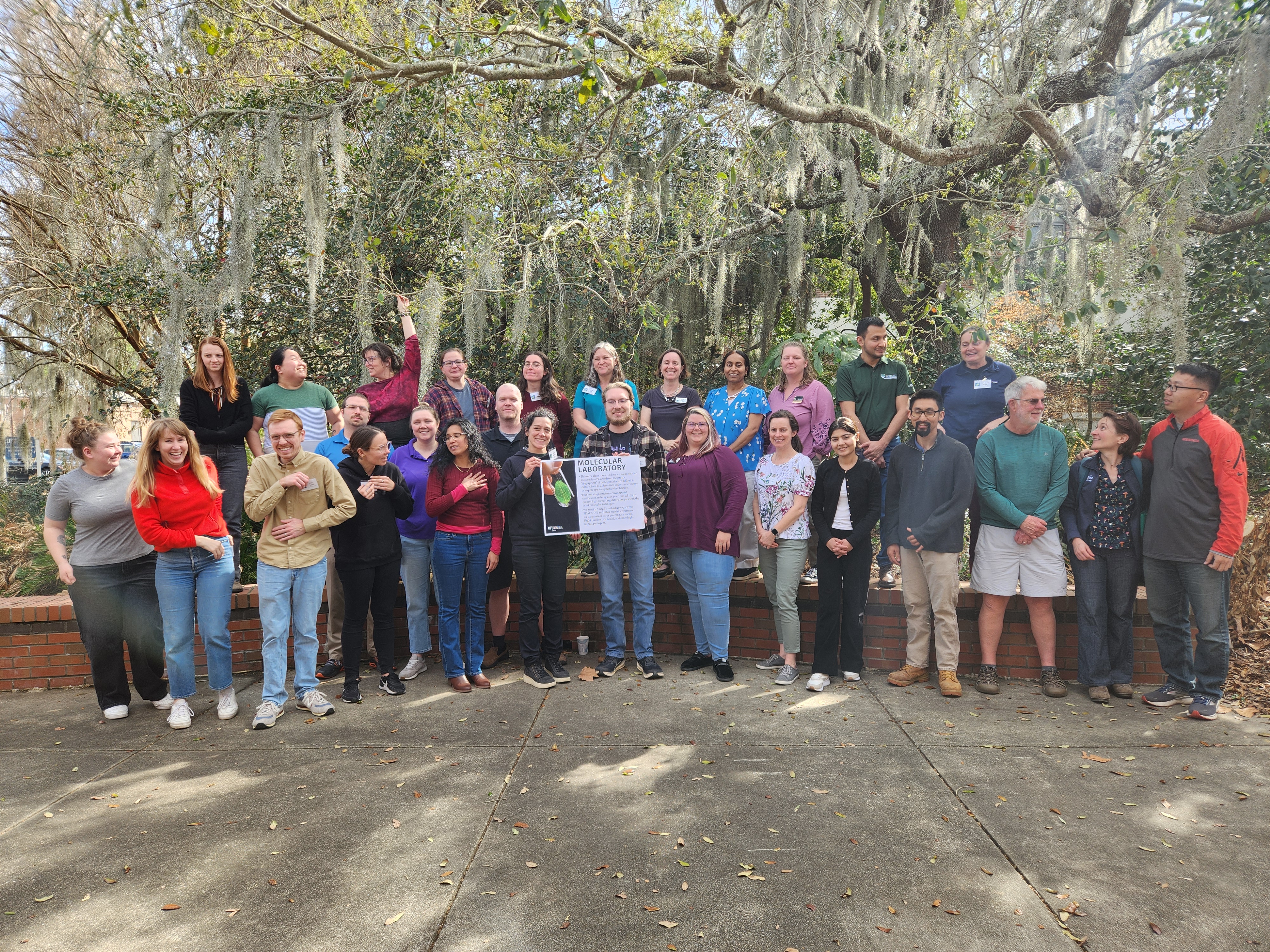
The program also offers training in molecular diagnostics prioritized for the labs that received equipment investments and grants. To date, three experiential training opportunities have been held at the University of Idaho and University of Florida, receiving more than 40 participants.
The REDI program will continue as part of NPDN's mission to strengthen plant diagnostic readiness and capacity building nationwide. Investments in equipment and training to expand laboratory capacity, support rapid surge diagnostics, and enhance preparedness for emerging threats will continue until 2028. Beyond this investment, and through the new coordinated network of REDI labs in NPDN, this project will help ensure resilient diagnostic capabilities that protect U.S. agriculture, natural resources, and the broader One Health system.
